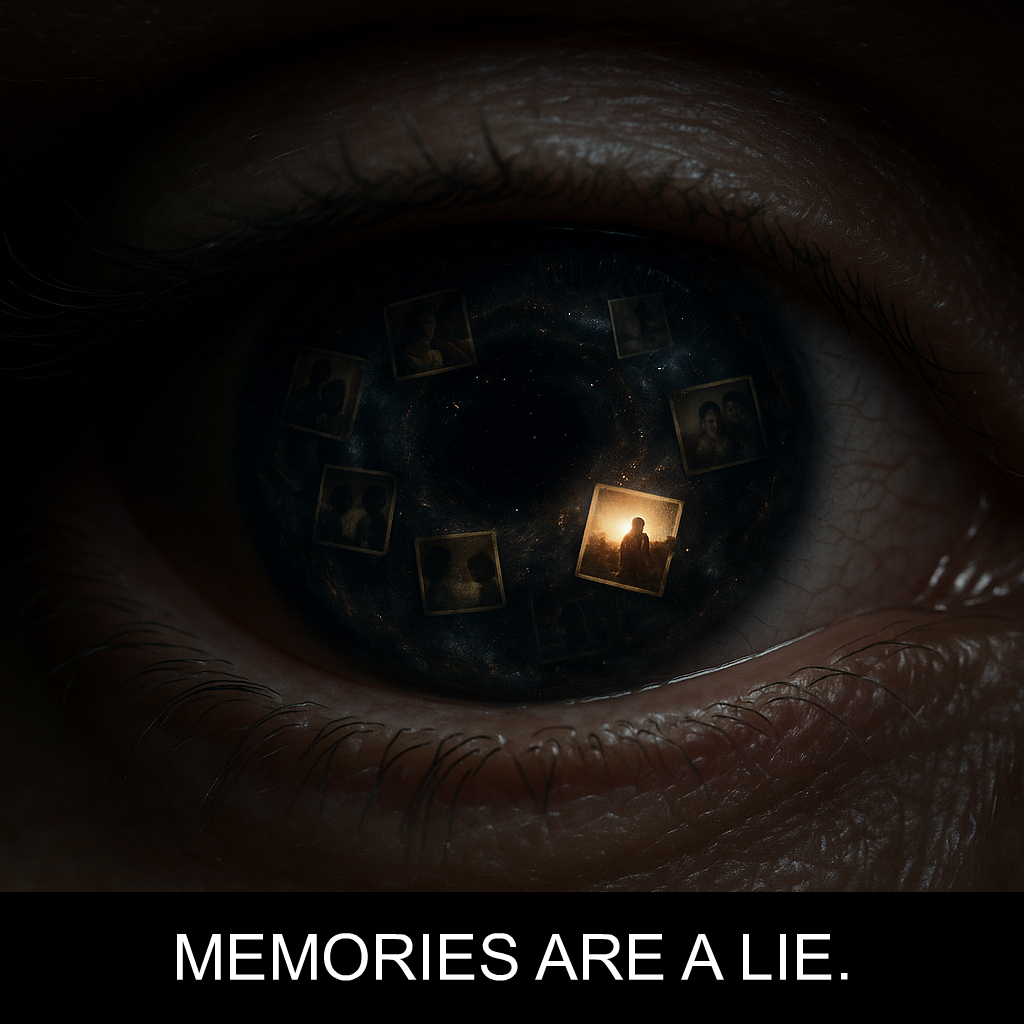

Your brain is a terrible historian. It doesn’t record every second of your life like a 4K security camera. Instead, it’s more like a lazy film editor who only keeps the most dramatic scenes and the final credits. Research by Nobel laureate Daniel Kahneman and Barbara Fredrickson shows that how we remember an experience has almost nothing to do with how long it lasted or its average level of comfort. It’s all about the peaks and the finish line.
This is the Peak-End Rule. It’s a cognitive bias that dictates how we evaluate past events. When I started studying behavioral patterns, this one hit me hard. It explains why you might remember a two-week vacation as “amazing” because of one sunset and a great final dinner, even if you spent twelve days arguing about directions and fighting off mosquitoes. Your brain literally ignores the duration. It just looks at the intensity.
Key Takeaways
- Discovered by Nobel laureate Daniel Kahneman and Barbara Fredrickson (1993), the Peak-End Rule states that people judge an experience largely based on how they felt at its most intense point (the peak) and at its conclusion (the end), rather than the average of every moment.
- This is accompanied by “duration neglect”—our memory is surprisingly insensitive to how long a pleasant or unpleasant experience lasted.
- Ending meetings, presentations, customer journeys, and vacations on a deliberate high note transforms how the entire experience is remembered.
The Snapshot Mechanism
Think about your brain as a smartphone with limited storage. It can’t save the whole video. So, it takes two snapshots. One of the most intense moment (the Peak) and one of how the experience ended (the End). Everything else? Deleted. Gone. Dust in the wind. This isn’t just a theory; it’s a survival mechanism. We need to remember where the biggest threats or rewards were, not the mundane travel time in between.
Among the clinical studies on this phenomenon, the most famous one by Kahneman and Redelmeier (1996) involved colonoscopy patients. Sounds fun, right? In the experiment, one group of patients had a standard, painful procedure. The second group had the same procedure, but the doctor left the scope in for an extra few minutes at the end, moving it only slightly. It was still uncomfortable, but much less painful than the main part. Guess which group rated the experience as “less unpleasant”? The second group. Even though their procedure lasted longer and involved more total pain, the *end* was better. So, their brain labeled the whole thing as “not that bad.”
The Danger of the Grand Finale
In social dynamics, this can be weaponized. When studying behavioral patterns in toxic relationships, I often see people staying in cycles of chaos because of this rule. A partner might be distant or cruel for weeks, but if they provide a massive “Peak” of affection—something like The Halo Effect—and then end the week with a heartfelt apology, the brain overwrites the weeks of misery. You remember the high and the resolution. The middle part? Your brain considers it irrelevant noise.
It’s a glitch. A massive one. It makes us stay in jobs we hate because the office party was fun. It makes us go back to restaurants that gave us food poisoning because the dessert was free and delicious. We are slaves to the snapshots.
How to Hack Your Own Memory
Since I realized this, I’ve changed how I plan my days. If I have a grueling workday full of spreadsheets and boring meetings, I make sure the very last thing I do is something I love. Maybe it’s a 10-minute walk, a favorite song, or a high-quality coffee. By ensuring the “End” is positive, I trick my brain into remembering the whole day as productive and pleasant. It works. Every single time.
You can also use this in your social life. If you’re hosting a dinner and things get a bit awkward in the middle, don’t panic. Just make sure the final 15 minutes are high-energy and fun. A great goodbye is worth more than a perfect introduction. People won’t remember the lulls; they’ll remember the laugh they had as they walked out the door.
When you understand this, you start to see it everywhere. It’s why movies have big climactic endings. It’s why marathon runners feel a rush of euphoria at the finish line despite 26 miles of agony. It’s also why Psychological Reactance is so effective—the fear of a “missed” peak makes the eventual experience feel more intense than it actually is.
- Focus on the Finish: Always end meetings, dates, and work sessions on a high note.
- Create Spikes: Don’t aim for a steady 7/10 experience. Aim for a 10/10 peak, even if the rest is a 5/10.
- Audit Your Past: When looking back at a bad situation, ask yourself: “Was it actually bad, or was the ending just messy?”
We are not our experiences. We are the stories we tell ourselves about our experiences. And those stories are written by the peaks and the endings. If you control the snapshots, you control the narrative of your entire life. It’s a simple shift, but the implications are terrifyingly powerful.
Think about your last major relationship. Was it truly a long period of happiness, or was it just a few intense peaks and a lingering, painful end that colored the whole memory? Your brain is lying to you. What are you going to do about it?
References & Further Reading
- Fredrickson, B. L., & Kahneman, D. (1993). Duration neglect in retrospective evaluations of affective episodes. Journal of Personality and Social Psychology, 65(1), 45–55. PubMed / NIH
- Kahneman, D., Fredrickson, B. L., Schreiber, C. A., & Redelmeier, D. A. (1993). When more pain is preferred to less: Adding a better end. Psychological Science, 4(6), 401–405. Wikipedia / Psychological Science
Frequently Asked Questions (FAQ)
What is the Peak-End Rule in cognitive psychology?
Formulated by Daniel Kahneman and Barbara Fredrickson in 1993, the Peak-End Rule is a memory heuristic in which our retrospective rating of any past event is determined almost entirely by the average of its emotional peak and its final moments.
What did Kahneman’s cold-water hand experiment prove?
Participants preferred repeating a 90-second trial where the water was slightly warmed during the final 30 seconds over a shorter 60-second trial at constant cold temperature—proving that a gentler ending improves overall memory even when total discomfort is longer.
How can professionals apply the Peak-End Rule in business?
Design client interactions, product onboarding, and presentations so that they include one memorable standout moment and always close with a smooth, rewarding final impression.