
The Moral Licensing Trigger: Why ‘Good’ People Do Terrible Things
I’ve spent thousands of hours watching people. Not in a creepy way. In a “why the hell did they just do that?” way. I’ve filled dozens of notebooks with observations on social friction and the weird ways our brains justify our worst behavior. One pattern keeps coming up. It’s consistent. It’s predictable. And it’s honestly a bit terrifying.
It’s called Moral Licensing. In my research into behavioral patterns, I’ve found that our brains keep a secret ethical bank account. When we do something “good,” we feel like we’ve earned a deposit. And when the balance is high enough? We feel entitled to spend it on something “bad.” It’s a psychological hall pass. We give it to ourselves without even realizing it.
The Internal Ledger
Think about your morning. You hit the gym at 6:00 AM. You crushed a workout. You had a kale smoothie. You feel like a saint. Then, 2:00 PM rolls around. Someone offers you a donut. Normally, you’d say no. But today? Today, your brain whispers, “You earned it.” You don’t just eat one; you eat three. That’s the trigger in action.
But it goes deeper than donuts. This isn’t just about calories. It’s about our identity. When we affirm our image as a “good person,” it actually makes us less likely to act virtuously in the next moment. It’s a paradox. The more we think we are good, the more permission we give ourselves to be selfish, prejudiced, or dishonest.
I’ve analyzed studies where participants were asked to write about a time they were kind. Afterward, they were less likely to donate to charity than those who wrote about a neutral event. Why? Because they had already “proven” their goodness. They were cashed out. Their moral ego was full.
The Corporate Mask and The Authority Trigger
In high-stakes environments, this trigger is weaponized. I’ve observed this in corporate dynamics constantly. A CEO spends millions on a high-profile charity gala. They get the headlines. They get the applause. They are seen as a pillar of the community. This activates a massive The Authority Trigger, making people trust them blindly.
But behind closed doors? That same CEO might feel “licensed” to treat their staff like dirt. In their mind, the charity work balances the scales. They’ve done their “good,” so now they can afford to be a tyrant. It’s a dangerous game of ethical accounting. They aren’t being hypocrites in their own minds; they are just balancing the books.
- The Green Halo: People who buy eco-friendly products are statistically more likely to cheat on a test or steal shortly after.
- The Fitness Pass: People often overeat after a workout because the “good” act licenses the “bad” indulgence.
- The Diversity Trap: Companies that praise themselves for a single diverse hire often become more prone to biased hiring practices afterward, feeling they’ve “done their part.”
How the Brain Tricks You
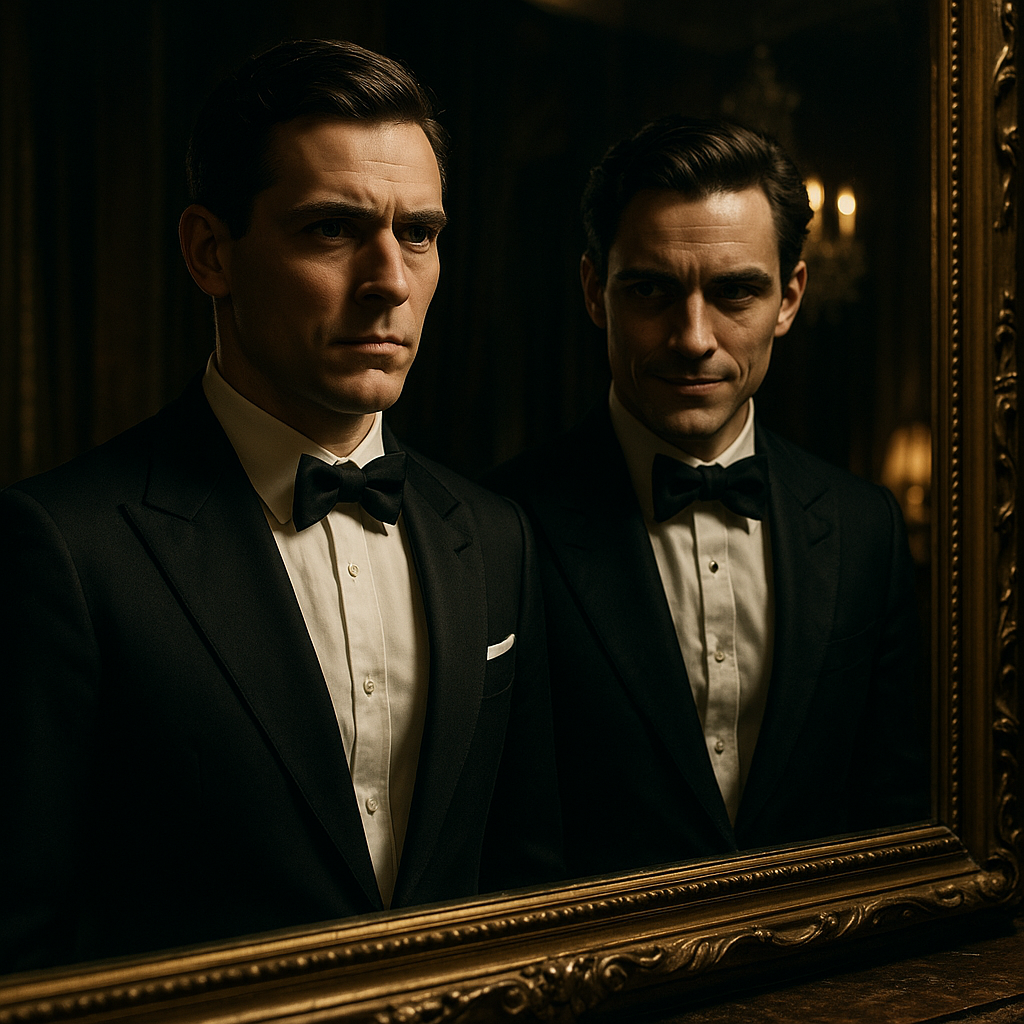
Our brains hate feeling like villains. We need to maintain a positive self-image at all costs. Moral Licensing is the mechanism that allows us to act poorly while still feeling like the hero of our own story. It’s a form of cognitive housekeeping. We aren’t being “bad”; we are just taking a well-deserved break from being “good.”
When studying these dynamics, I noticed that the *memory* of the good deed is what matters most. Our brains don’t care about the actual impact of the act, only how it made us feel at the time. This ties directly into The Peak-End Rule. If the “good” act felt intense and ended on a high note, that feeling of righteousness lasts longer, giving us a longer leash to act out later.
It’s like a faulty smartphone notification. Your brain pings you: “Goodness Verified.” Once that notification is cleared, you stop paying attention to your behavior. You go on autopilot. And autopilot is where the dark stuff happens.
Spotting the Pattern in Others
If you want to understand the people around you, stop looking at their isolated actions. Look at the sequence. Is your friend incredibly generous on Monday but a total flake on Tuesday? They might be licensing. Is your boss a visionary leader who occasionally has fits of unprofessional rage? Licensing.
Once you see the ledger, you can’t unsee it. You start to realize that many “random” acts of unkindness are actually the result of someone feeling too good about themselves. It’s the shadow side of virtue. It’s the price we pay for our own ego.
How to Break the Cycle
So, how do we stop this? How do we prevent our own “goodness” from becoming a license for bad behavior? It starts with awareness. You have to catch the internal dialogue. When you feel that surge of pride after doing something right, be careful. That’s the moment you are most vulnerable.
- Separate the Acts: Don’t let your workout justify your diet. Don’t let your hard work justify being mean to your partner. Treat every decision as a fresh start.
- Focus on Values, Not Deeds: Instead of saying “I did a good thing,” say “I am a person who values kindness.” Values are constant; deeds are just transactions.
- Question Your Rewards: If your reward for doing something good is doing something harmful, it wasn’t a reward. It was a trade.
In my personal research, I’ve found that the most dangerous people aren’t the ones who know they are bad. They are the ones who are absolutely convinced they are good. Their “goodness” gives them the ultimate cover. It gives them the ultimate license.
Next time you do something noble, don’t pat yourself on the back too hard. You might just be setting the stage for your next mistake. Are you actually a good person, or are you just building up credit for your next slip-up?