
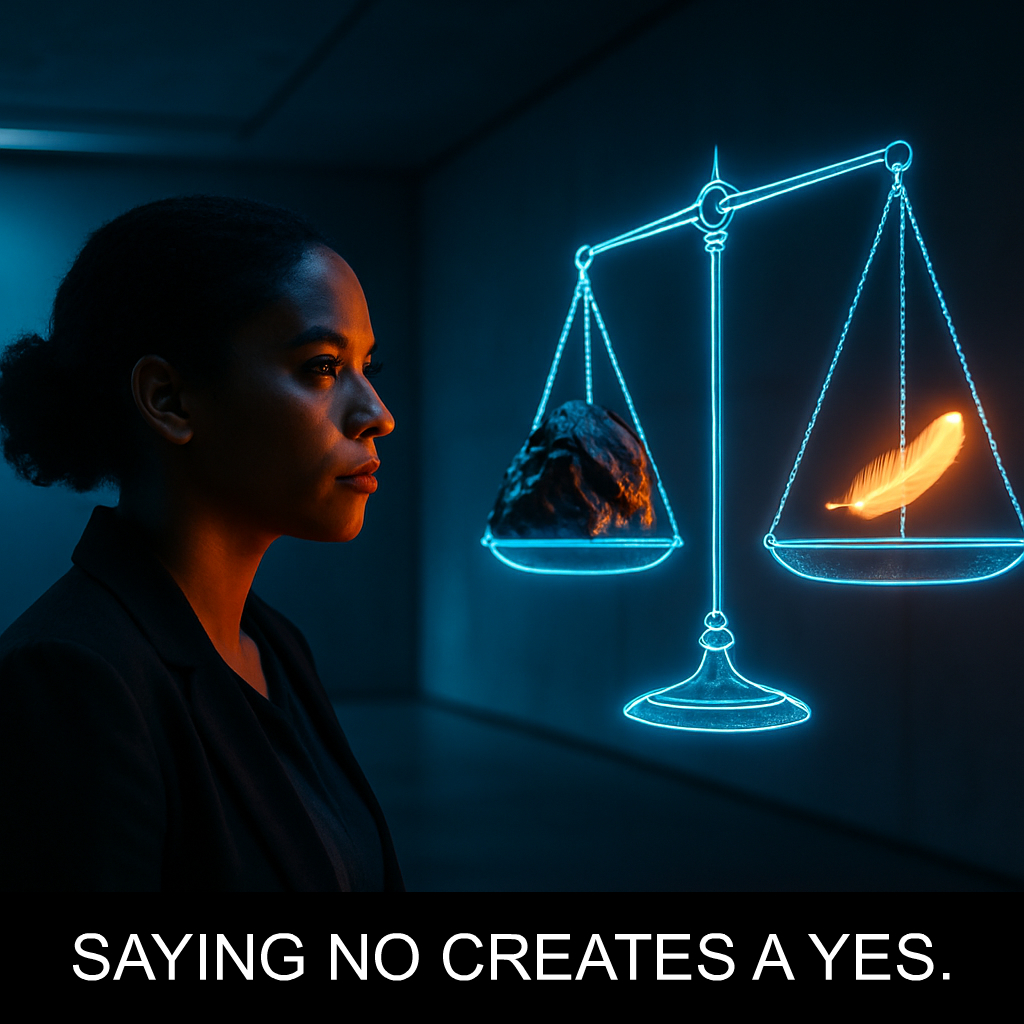

The Rejection-Then-Retreat Law: Why Your First ‘No’ Is Actually Their Best Friend
No. It’s a powerful word. It’s a boundary. Or so you think.
In my research into the messy, often illogical world of human influence, I’ve found something unsettling. Sometimes, a person wants you to say no. They aren’t just prepared for it; they are counting on it. This isn’t reverse psychology. It’s much more surgical than that.
When studying behavioral patterns in high-stakes negotiations and everyday social friction, I stumbled upon a mechanism that social psychologists call “Door-in-the-Face,” but I prefer to call it the Rejection-Then-Retreat Law. It is a psychological trap door that exploits your innate desire to be fair.
The Anatomy of the Trap
Imagine someone asks you for a massive favor. Maybe they want you to volunteer five hours every weekend for a year. You say no. Obviously. It’s too much. It’s unreasonable.
But then, they sigh. They look slightly defeated. “I understand,” they say. “That is a big ask. Would you at least be willing to help out for just two hours this Saturday?”
Suddenly, that two-hour request feels small. It feels like a compromise. You feel a strange, internal pressure to say yes. Why? Because they made a “concession,” and your brain screams that you should make one too. This is the law of reciprocity at its most weaponized.
The Reciprocity Reflex
In my deep-dives into social dynamics, I’ve observed that humans are hardwired to return favors. If I give you a gift, you feel like you owe me one. If I lower my price, you feel like you should raise your offer.
When someone starts with an extreme request and then “retreats” to a smaller one, your brain interprets that retreat as a gift. You don’t see it as a calculated move. You see it as them being flexible. To keep the social scales balanced, you feel obligated to meet them halfway.
It’s a bit like The Forced Teaming Tactic, where an influencer creates a false sense of shared struggle. Here, the struggle is the negotiation itself. They are “working with you,” so you feel you must work with them.
Why It Works Better Than a Straight Ask
You might think, “Why not just ask for the two hours first?” Because contrast is a powerful lens. Two hours in a vacuum might still feel like a chore. But two hours compared to five hours a week for a year? That feels like a bargain.
This is closely related to The Scarcity Choice Paradox, where our perception of value is warped by the options presented to us. When the “extreme” option is removed, the remaining option gains a false sense of attractiveness.
In one of the most famous behavioral studies I’ve analyzed, researchers asked students to chaperone juvenile detention inmates on a zoo trip. Most said no. But when they first asked the students to spend two years as counselors (an extreme request), and then asked about the zoo trip? The rate of “Yes” responses tripled. Tripled.
How to Spot the Retreat in the Wild
You see this everywhere once you know what to look for. It’s in the boardroom, the car dealership, and even in your own living room. Watch for these signs:
- The Outrageous First Offer: If someone starts with a price or a request so high it’s almost laughable, they are anchoring the conversation.
- The Quick Pivot: As soon as you say no, they have a “Plan B” ready that sounds significantly more reasonable.
- The Performance of Disappointment: They make sure you see the “sacrifice” they are making by lowering their expectations.
Protecting Your Boundaries
So, how do you stop being a puppet? It starts with recognition. When you feel that sudden surge of guilt after saying no, stop. Breathe. Ask yourself: “If they had asked me for this smaller thing first, would I have said yes?”
If the answer is no, then the only thing that changed was the framing. The request is still a burden. You don’t owe someone a “yes” just because they stopped asking for the impossible. A concession made for the sake of manipulation is not a favor; it’s a tactic.
It’s okay to let the silence sit. You don’t have to fill the gap with a compromise. You don’t have to balance a scale that the other person purposely tipped.
Think about the last time you felt “forced” into a compromise. Was it a genuine middle ground? Or were you just retreating from a fight you didn’t know you were in?