

The Choice-Supportive Trigger: Why Your Brain Is a Professional Liar
We’ve all been there. You buy the expensive shoes. They look great in the store, but after an hour of walking, they feel like medieval torture devices. They’re objectively terrible. But when your friend asks if they were worth the $300? You smile. You tell them they’re ‘breaking in.’ You lie. Not just to them, but to yourself.
This isn’t just pride. It’s a hardwired survival mechanism I’ve spent years obsessing over. In my research into cognitive patterns, I’ve found that the human brain isn’t a judge; it’s a defense attorney. Once a decision is made, your mind immediately begins a PR campaign to convince you that you made the right call. Welcome to the world of the Choice-Supportive Trigger.
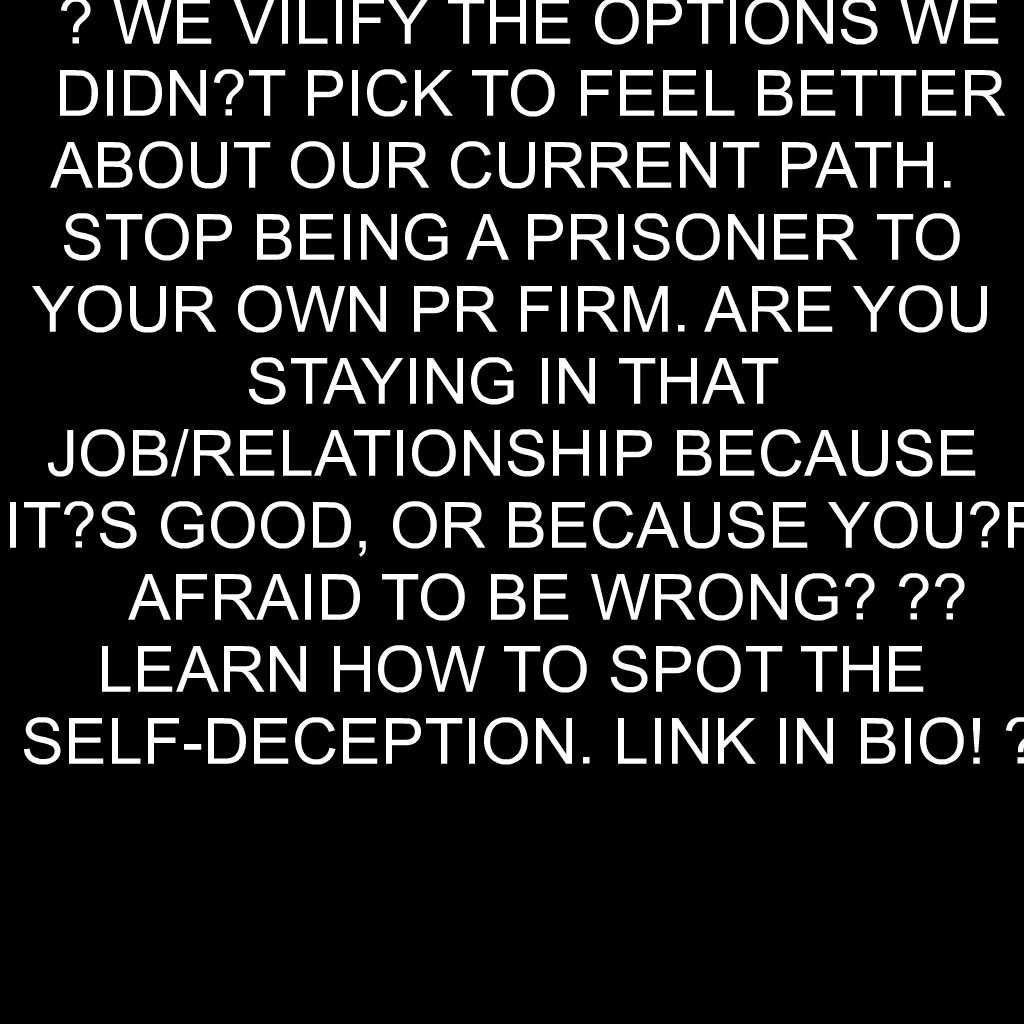
The Ego’s Personal PR Firm
The Choice-Supportive Trigger is a cognitive bias where we retroactively attribute positive qualities to an option we’ve selected and demote the options we rejected. It’s the brain’s way of avoiding the stinging pain of regret. When studying behavioral patterns, I’ve noticed that the mind hates inconsistency. It craves the feeling of being ‘right’ more than it craves the truth.
Think of your brain as a high-end smartphone. When you make a decision, a background app starts running. It’s silent. It’s efficient. It’s constantly scrubbing the ‘bad’ data from your memory and highlighting the ‘good’ data. This is why you remember your ex-boyfriend’s sense of humor but conveniently forget the way he ignored you for three days straight. Your brain chose him once, so it has to prove the choice was sound. Even if it wasn’t.
This is closely linked to The Moral Licensing Trigger. In that scenario, we give ourselves a pass for bad behavior because we did something good. With Choice-Supportive bias, we give ourselves a pass for a bad decision because we’ve already committed to it. We become the heroes of our own flawed stories.
The Anatomy of Self-Deception
Why does this happen? Based on behavioral studies I’ve analyzed, it comes down to emotional regulation. Admitting a mistake is cognitively expensive. It requires us to re-evaluate our intelligence, our judgment, and our identity. That’s a lot of work. It’s much easier to simply rewrite history.
I call this ‘Memory Editing.’ When you look back at a choice—let’s say, a job offer you took over another—your brain starts to emphasize the perks of your current office while magnifying the flaws of the one you turned down. “Sure, my boss is a nightmare,” you tell yourself, “but that other office didn’t have a good coffee machine.” You are literally hallucinating a reality where you are a genius.
- The Distortion Phase: You start ignoring the red flags you noticed during the decision-making process.
- The Amplification Phase: You take minor benefits and turn them into major victories.
- The Rejection Phase: You vilify the options you didn’t choose to make your current path look like the only logical one.
The Social Dynamics of Being ‘Right’
In everyday social dynamics, this trigger is weaponized. Salespeople know this. Once they get you to say ‘yes’ to a small feature, your brain will move mountains to justify the rest of the purchase. You don’t want to look flaky. You want to be consistent. This is often reinforced by The Authority Trigger, where we defend the decisions of people in power simply because we chose to follow them in the first place.
I’ve observed this in toxic relationships and failing businesses. People stay in ‘sinking ships’ not because they are stupid, but because their brains are protecting them from the ego-death of admitting they picked a loser. The more you invest—time, money, emotion—the harder the Choice-Supportive Trigger works to keep you blind. It’s a psychological shield that eventually becomes a cage.
How to Break the Spell
Can you beat your own brain? It’s hard. It’s like trying to outrun your shadow. But in my deep-dives into cognitive experiments, I’ve found that ‘Pre-Mortems’ are the only real cure. Before you make a big decision, imagine it has already failed. Why did it fail? By doing this, you bypass the defense attorney and force yourself to be the judge.
In my research, I’ve also found that keeping a ‘Decision Journal’ is lethal to this bias. Write down exactly why you are making a choice *before* you make it. Include the flaws you see. When your brain tries to rewrite the story six months later, you have the receipts. You have the truth in your own handwriting. It’s much harder for your internal PR firm to lie when there’s a paper trail.
We like to think we are rational creatures. We aren’t. We are emotional creatures who use logic to justify what we’ve already done. Your brain isn’t trying to find the truth; it’s trying to keep you comfortable. It’s a loyal, lying friend. The question is: do you actually want the truth, or do you just want to feel like you’re right?
Stop defending your mistakes just because you spent a long time making them. The cost of being ‘right’ is often the very thing that stops you from being successful. Look at your life. What are you defending right now simply because you’re the one who chose it?