
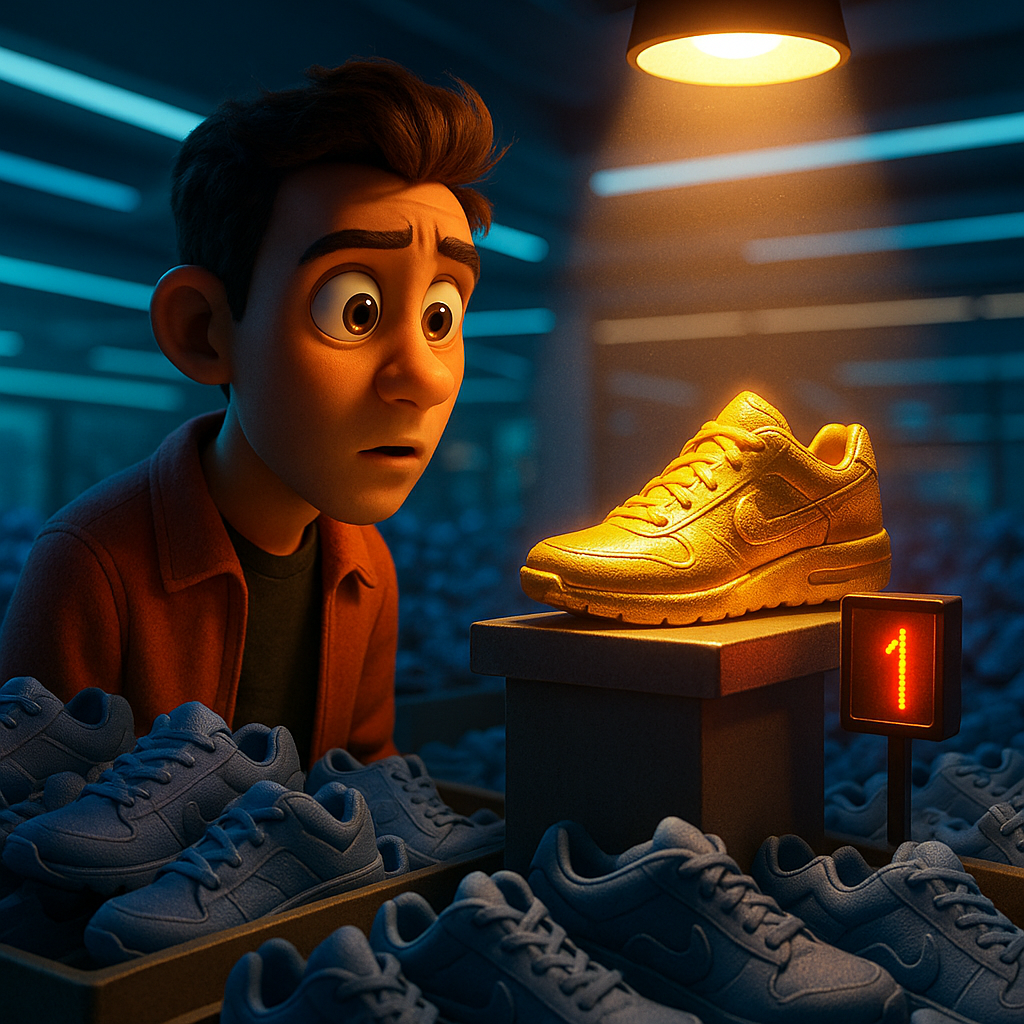

The Scarcity Trigger: Why Your Brain Craves What It Can’t Have
Have you ever noticed how a mediocre item suddenly becomes a “must-have” the moment you see a “Limited Edition” tag? 🛍️
Or why you feel a sudden surge of adrenaline when a website tells you there is only “1 room left at this price”? That isn’t just a marketing trick; it is a deep-seated biological response.
Welcome to the Scarcity Trigger. It is one of the most powerful forces in social dynamics and human psychology. It can turn a rational person into a frantic buyer in seconds.
The Hidden Power of “Less is More”
At its core, the Scarcity Trigger works because our brains are hardwired for survival. In the ancestral past, if resources were low, you had to act fast or go hungry. 🧠
Today, we don’t hunt for berries, but we do hunt for deals, status, and exclusive experiences. When something is rare, our brain automatically assigns it a higher value.
We assume that if everyone wants it, or if there isn’t much of it left, it must be better than the alternatives. This is often a mental shortcut that bypasses our critical thinking.
Why Your Brain Panics When Things Run Out
Scarcity creates a sense of urgency. This urgency triggers a mild “fight or flight” response. You aren’t just thinking about the product anymore; you are thinking about the pain of losing it.
This is closely tied to The Sunk Cost Fallacy. Once you’ve invested time looking at something, the idea of someone else “winning” it feels like a personal loss.
Loss aversion is a powerful motivator. We are twice as motivated to avoid a loss as we are to achieve a gain. The Scarcity Trigger weaponizes this instinct perfectly.
The Three Flavors of Scarcity
Not all scarcity is created equal. To understand how you’re being influenced, you need to recognize the three main types:
- Time Scarcity: “Sale ends in 2 hours!” This forces a decision before you can fully weigh the pros and cons.
- Quantity Scarcity: “Only 3 items left in stock.” This creates a competitive environment where you feel you’re racing against other people.
- Exclusivity Scarcity: “Members only” or “By invitation only.” This targets your need for status and social standing.
When you see these in action, your brain often ignores the actual price or value. This is where The Anchoring Trigger often joins the party, setting a high perceived value that you’re afraid to miss out on.
The “Romeo and Juliet” Effect
Psychologists also call a specific type of scarcity “Psychological Reactance.” When our access to something is restricted, we want it even more because we feel our freedom is being threatened. 🚫
Just like the famous star-crossed lovers, the more something is “off-limits,” the more attractive it becomes. This is why “banned books” often become bestsellers.
If you tell someone they can’t have something, their brain shifts from evaluating the item to focusing entirely on how to get it. It becomes a challenge to be conquered.
How to Use Scarcity Ethically (and Effectively)
If you are a leader, a creator, or an entrepreneur, you can use this trigger to build authority. However, it must be based on truth. Fake scarcity is the fastest way to destroy trust.
Real scarcity creates a “VIP” feeling for your audience. It makes those who get in feel special and those who don’t feel a healthy desire to be ready for the next time.
Here is how to apply it without being “salesy”:
- Limit Your Availability: Don’t be available 24/7. High-value experts have limited calendars.
- Create Seasonal Content: Offer value that is only relevant or available for a short window of time.
- Focus on Quality Over Quantity: Produce fewer things, but make them so good that people are willing to wait for them.
- Highlight Real Constraints: If you only have 10 seats for a workshop, explain why (e.g., to ensure everyone gets personal attention).
How to Protect Yourself from the Scarcity Trap
The next time you feel that frantic “I need to buy this NOW” feeling, stop and breathe. Ask yourself one simple question: “Would I still want this if there were 10,000 of them available tomorrow?” 🛑
Usually, the answer is no. The desire is coming from the scarcity, not the object itself. By recognizing the trigger, you take the power back.
Understanding these social dynamics doesn’t just make you a better consumer; it makes you a more influential person. When you know how the brain works, you stop being a passenger and start being the driver.
Final Thoughts
The Scarcity Trigger is a tool, and like any tool, it can be used to build or to destroy. Use it to highlight the genuine value of what you offer, and you will build a tribe of loyal followers who value every second of your time. 💎
Stay curious, stay aware, and remember: the most valuable thing you have is your attention. Don’t let a “Limited Time Offer” steal it from you without your permission.