
The Synaptic Sculpting Trigger: Rewire Your Brain for Automatic Success
What if I told you that your brain isn’t fixed? That the pathways for anxiety, procrastination, and self-doubt aren’t permanent fixtures, but well-worn dirt roads you can choose to abandon.
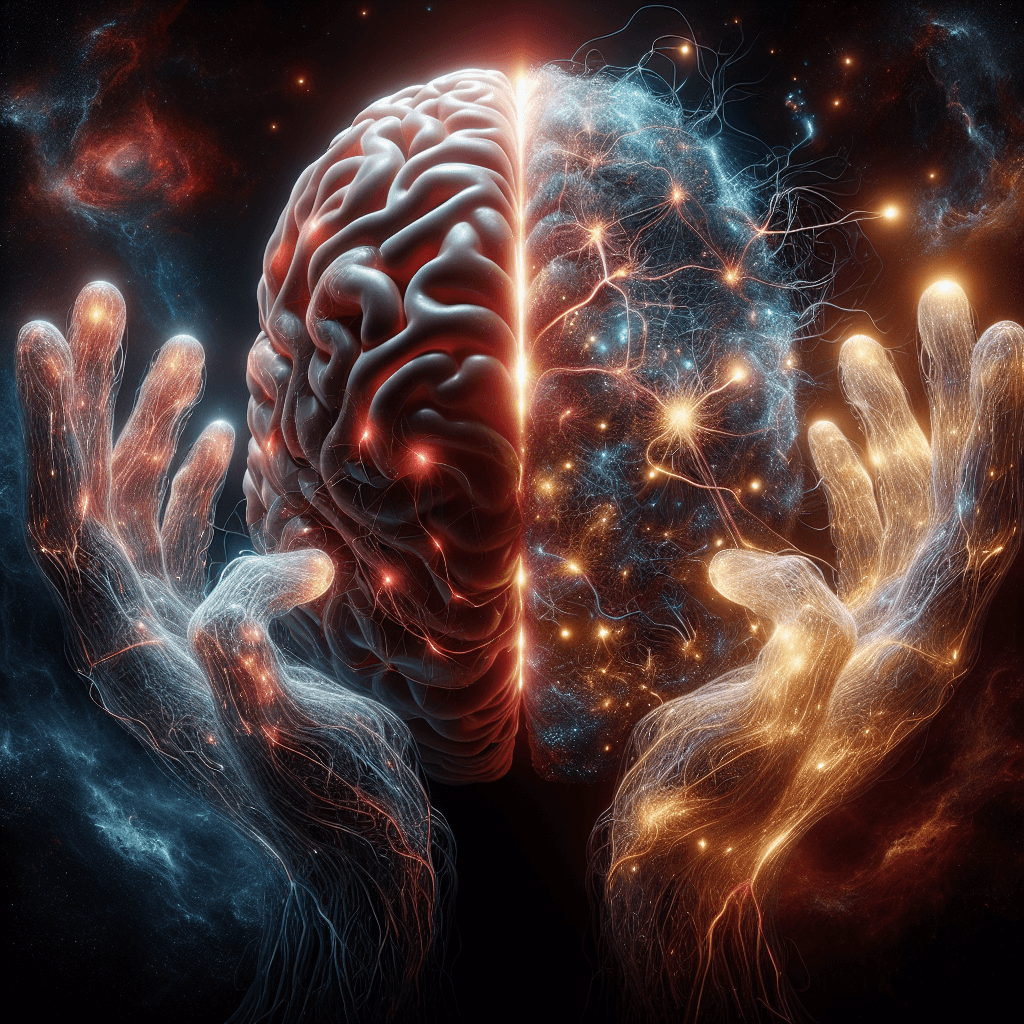
You hold the secret power to be the architect of your own mind. You can demolish the neural highways that lead to failure and sculpt new ones that make success, confidence, and focus your brain’s default setting.
This isn’t motivational fluff. This is neuroscience. It’s called the Synaptic Sculpting Trigger, and mastering it is the ultimate form of mental control.
The Secret Language of Your Brain 🧠
Let’s get one thing straight: your brain is a survival machine, not a happiness machine. Its primary goal is efficiency. To be efficient, it creates shortcuts.
The core principle is simple: “Neurons that fire together, wire together.”
Imagine your brain is a dense, untamed jungle. The first time you have a thought or perform an action, it’s like hacking a path through the thick undergrowth with a machete. It’s difficult, slow, and requires immense effort.
But if you walk that same path every day, the weeds get trampled. A trail forms. Soon, it becomes a clear dirt road. With enough traffic, it gets paved. Eventually, it becomes a six-lane superhighway. You no longer need a map or even conscious thought to travel it; your car just naturally follows the route.
This is Synaptic Sculpting in action. Every repeated thought, emotion, and behavior strengthens the physical connections—the synapses—between your brain cells. This is how habits are born.
How Your Brain Builds Invisible Prisons
This trigger is neutral. It doesn’t care if the highway you’re building leads to a thriving metropolis or off a cliff. It just paves the roads you travel most often.
Think about your immediate reaction when you make a mistake. Do you instantly think, “I’m such an idiot”? That’s not a conclusion; it’s a neural superhighway. You’ve fired and wired those neurons together so many times that the thought is now automatic, a reflex.
This is how anxiety spirals are built. A small worry (a single path) gets repeated. You add another worry, then another. Soon, you have an interconnected network of negative pathways that can be triggered by almost anything. You’ve accidentally sculpted a prison of fear inside your own head.
This process also explains why we misjudge others so easily. We might see someone act in a certain way once and our brain, seeking efficiency, quickly builds a pathway to that conclusion. This is a cognitive shortcut that often leads to The Fundamental Attribution Error, where we blame their character rather than their circumstances.
The Blueprint for Brain Renovation: 3 Steps to Sculpt a New You
If you can build a prison, you can also build a palace. You just need to become a conscious architect instead of an accidental one. It takes three key steps.
Step 1: Deliberate Repetition (The Forging)
You must consciously and deliberately travel the new path you want to create. You can’t just wish for a new highway; you have to send traffic down that route, again and again, until it becomes dominant.
- Identify the New Thought: Instead of “I’m not good enough,” the new path is “I am capable and constantly improving.”
- Create a Ritual: Spend two minutes every morning actively thinking this new thought. Visualize it. Feel it.
- Use Micro-Actions: Every time you complete a small task, consciously tell yourself, “See? I am capable.” This is a single car driving down your new road.
Step 2: Emotional Anchoring (The Fuel) 🔥
A synapse doesn’t just strengthen with repetition; it strengthens with emotion. A highly emotional event can create a powerful neural connection in an instant. This is why trauma is so potent.
You can hijack this mechanism for your benefit. When you practice your new thought or behavior, don’t just say the words. Feel the emotion associated with it. Feel the pride, the confidence, the excitement. This emotional fuel acts like a hyper-paving machine, turning your dirt path into a highway much faster.
Step 3: Strategic Starvation (The Pruning)
To demolish the old highways, you must stop using them. Your brain has a “use it or lose it” policy called synaptic pruning. Unused neural connections weaken and fade away, like a dirt road being reclaimed by the jungle.
This is the hardest part. It requires you to catch yourself heading down the old road and consciously choose the new one. This can feel difficult, as our brains often fight to keep old habits due to The Loss Aversion Trigger, fearing the loss of a familiar (even if negative) pattern.
When the old thought (“I can’t do this”) pops up, don’t fight it. Simply acknowledge it and say, “That’s the old road. I’m taking the new one now: I am capable and I will figure this out.” Every time you do this, you starve the old path and feed the new one.
Your Synaptic Sculpting Action Plan 🛠️
Ready to stop being a passenger and start driving? Here’s your immediate action plan:
- Choose One Pathway: Don’t try to rewire your whole brain at once. Pick ONE negative, automatic thought pattern you want to eliminate. (e.g., “I always procrastinate.”).
- Define Its Opposite: Create the new, empowering pathway. (e.g., “I am a person who takes decisive action.”).
- Set a Daily Forging Ritual: Schedule 3 minutes every morning to visualize and feel the success of your new pathway. Anchor it with powerful, positive emotion.
- Create a Pattern Interrupt: When you feel the urge to follow the old path (procrastinate), have a pre-planned action to stop it. Stand up, do 10 jumping jacks, and say your new phrase out loud. This forces a detour.
You are not your thoughts. You are the sculptor of the pathways your thoughts travel on. Start today. Pick up your mental tools and begin the renovation. The brain you want is not something you wish for; it’s something you build.



Pingback: The Halo Effect - 99% Brain Up